Table of Contents
- Furnished vs Unfurnished Rentals: Key Differences
- Cost Implications for Landlords
- HMO Landlord Responsibilities Across Both Options
- Rental Yield Calculations for Furnished and Unfurnished Properties
- Tenant Preferences and Demand
- Legal and Insurance Considerations
- Which Option Works Best for Your Portfolio
- Frequently Asked Questions
Last Updated: September 27, 2026
Furnished vs Unfurnished Rentals: Key Differences
Choosing between furnished vs unfurnished rentals in Plymouth shapes both your income potential and the operational demands you'll face as a landlord. The distinction goes far beyond whether beds and sofas are included, it fundamentally changes your tenant profile, maintenance responsibilities, and financial returns.
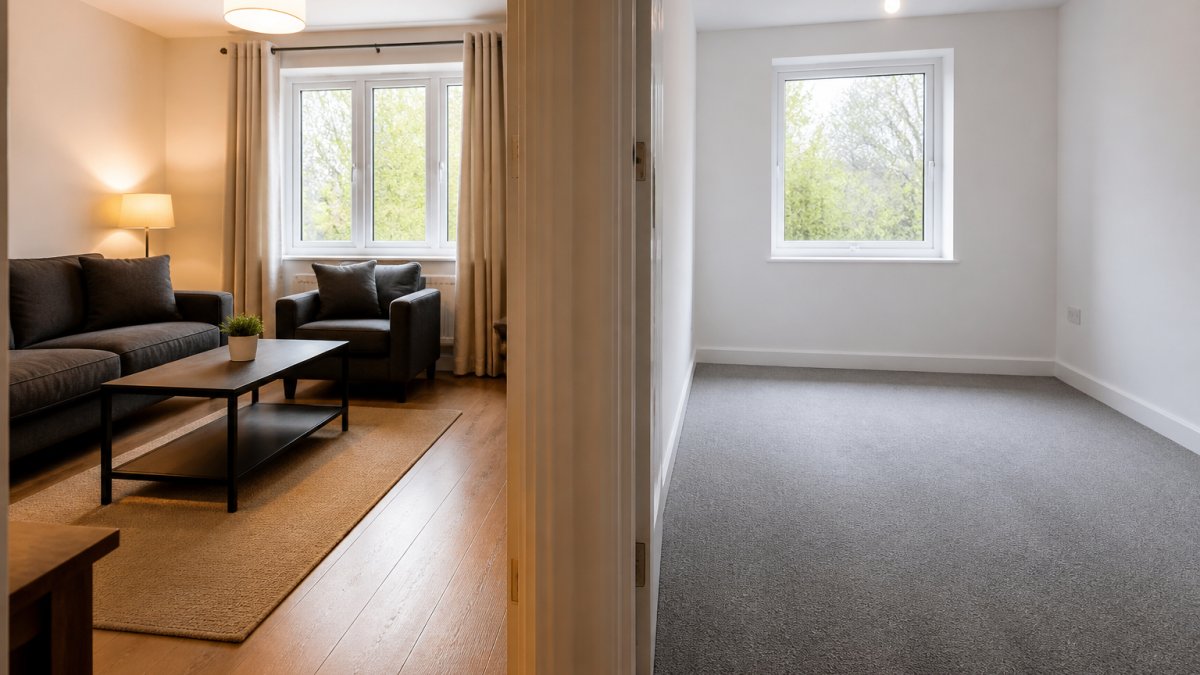
A furnished property comes with essential items: beds, sofas, kitchen appliances, and often dining furniture. An unfurnished property offers walls, flooring, and basic fixtures only. The tenant provides everything else. This difference determines who wants to rent from you, how long they typically stay, and what happens when they leave.
The choice isn't about which is universally "better." It's about matching the property type to your business model. Short-term lets and corporate housing favour furnished units. Long-term family rentals typically go unfurnished. Your location, target tenant, and available time all factor into the decision.
For landlords managing HMO properties across the South and South West, understanding these differences helps you position your portfolio correctly. At Lord Panda Property, we help landlords analyse this choice, and the answer depends entirely on your circumstances.
Cost Implications for Landlords
Furnished properties demand higher upfront capital. You're purchasing furniture, white goods, and soft furnishings before the first tenant arrives. Unfurnished properties require only basic decorating and essential repairs.
But upfront costs tell only part of the story. Furnished units wear faster. Tenants use furniture daily; it degrades. Replacement cycles run shorter, typically 3-5 years for key pieces before refurbishment becomes necessary. Unfurnished properties shift this burden to tenants, who buy and maintain their own items.
Maintenance patterns differ sharply. Furnished rentals see more damage claims around furniture and appliances. Tenants may dispute wear-and-tear assessments, leading to deposit disputes and potential legal costs. Unfurnished properties see disputes focus on structural issues, damp, plumbing, heating, which are clearly the landlord's responsibility under UK law.
Insurance costs vary significantly. Furnished properties require contents coverage; unfurnished do not. This adds an annual expense to furnished units. Some insurers also charge higher premiums for furnished HMOs due to perceived higher claim frequency.
Turnaround time between tenants differs too. Furnished properties need deep cleaning, furniture inspection, and potential repairs or replacement. Unfurnished units need cleaning and minor repairs. A furnished turnover might take 2-3 weeks; unfurnished, 5-7 days. During void periods, you earn nothing, so faster turnovers protect income.
HMO Landlord Responsibilities Across Both Options
HMO licensing requirements apply equally to furnished and unfurnished properties. You must meet fire safety standards, provide adequate facilities, and maintain the property to acceptable standards regardless of furnishing level.
However, furnished HMOs introduce additional compliance layers. Furniture must meet fire safety regulations, specifically, upholstered items must comply with the Furniture and Furnishings (Fire Safety) Regulations 1988 (The Furniture and Furnishings (Fire) (Safety) Regulations 1988). Every sofa, chair, and bed must carry a permanent label confirming compliance. Non-compliant furniture creates legal liability and potential prosecution.
You must also maintain an inventory for furnished units. Document the condition and contents at the start of each tenancy. Photograph everything. This protects you against deposit disputes and helps justify any deductions for damage. Unfurnished properties require less detailed documentation since you're not responsible for tenant-supplied items.
Gas safety certificates, electrical inspections, and damp assessments apply to both. But furnished properties add furniture condition assessments to your compliance checklist. Many landlords use professional inventory clerks for this, an additional cost.
Tenant expectations differ markedly. Furnished tenants expect immediate move-in readiness; they arrive with suitcases, not removal vans. They tolerate less customisation. Unfurnished tenants expect to make the space their own; they'll decorate, adjust, and stay longer if conditions suit them.
Repairs and maintenance requests follow different patterns. Furnished tenants report furniture damage or appliance faults. Unfurnished tenants focus on structural issues. Both require prompt response, but the nature of work differs significantly.
Rental Yield Calculations for Furnished and Unfurnished Properties
Rental yield depends on monthly rent divided by property value. Furnished properties typically command 10-20% higher monthly rent than unfurnished equivalents in the same area. This premium reflects the added convenience and move-in readiness.
However, the calculation must account for all costs. A furnished two-bedroom HMO might rent for £1,200 monthly versus £950 unfurnished. The furnished version generates £250 more monthly, £3,000 annually. But annual costs include furniture replacement reserves, contents insurance, and higher maintenance claims. These often consume £1,500-£2,500 yearly.
Void periods impact yield significantly. Furnished properties rent faster (higher demand from corporate tenants and relocating professionals) but take longer to prepare between tenants. Unfurnished properties rent slower but turn around quickly. In a market with high competition, furnished wins. In a market with steady demand, unfurnished's lower turnover costs improve overall yield.
Long-term yield favours unfurnished. Over a 10-year period, the cumulative cost of furniture replacement, insurance, and damage claims typically exceeds the rental premium. Unfurnished properties generate steadier, more predictable returns.
For portfolio landlords managing multiple HMOs, mixed strategies work best. Furnished units attract short-term corporate tenants and generate premium income. Unfurnished units provide stable, long-term family tenancies with lower operational overhead. Diversifying across both types hedges against market shifts.
Calculating your actual yield requires honest accounting: monthly rent minus all costs (insurance, maintenance, void periods, furniture replacement) divided by total property investment. The number that matters is net yield, not gross rent.

Tenant Preferences and Demand
Furnished rentals appeal to specific tenant profiles: corporate relocations, contract workers, international professionals, and those between permanent moves. These tenants value convenience and move-in readiness. They'll pay premium rent for a property they can occupy within days.
Furnished units also attract younger tenants and those without established households. Students nearing graduation, young professionals in their first independent housing, and people between life chapters prefer furnished. They lack furniture, don't want the commitment of buying it, and expect temporary arrangements.
Unfurnished rentals appeal to families, long-term professionals, and anyone building a life in one location. These tenants want to personalise their space, stay 2-3 years minimum, and often have children or pets requiring stability. They're less price-sensitive to monthly rent but highly sensitive to property condition and neighbourhood quality.
Demand patterns vary by location. City centres with high corporate presence favour furnished. Residential suburbs favour unfurnished. Plymouth's mix of students, young professionals, and established families creates demand for both, but the balance shifts seasonally. Summer sees higher furnished demand (relocations, summer lets). Winter sees unfurnished demand spike (families settling in).
Tenant quality often tracks furnishing type. Furnished tenants typically have higher incomes (corporate roles) but shorter tenure. Unfurnished tenants stay longer but may have more complex needs (families, pets, maintenance requests). Neither is inherently "better", they're different business models.
Vetting requirements differ. Furnished tenants need employment verification and references. Unfurnished tenants need employment, references, and often credit checks. Longer-term tenants justify deeper due diligence.
Legal and Insurance Considerations
Furnished rentals trigger specific legal obligations. The Furniture and Furnishings (Fire Safety) Regulations 1988 apply strictly. Every upholstered item must meet standards. Non-compliance carries fines up to £20,000 and potential prosecution. This isn't theoretical, enforcement has increased.
Contents insurance is mandatory for furnished properties. You must insure the furniture, white goods, and soft furnishings. This typically costs £200-£400 annually depending on property value and contents. Unfurnished properties don't require contents coverage.
Deposit protection rules apply equally to both. You must protect tenant deposits in a government-backed scheme within 30 days and provide prescribed information (Tenancy deposit protection: Overview). Failure carries tribunal claims and penalties. But furnished properties see more deposit disputes because damage assessment becomes contentious, was that stain pre-existing wear or new damage?
Inventory clerks become important for furnished properties. A professional inventory at the start and end of tenancy protects you against unfounded damage claims. Costs run £150-£300 per inventory. Unfurnished properties rarely justify this expense.
Tenancy agreements must specify furnishing status clearly. Ambiguity creates disputes. State exactly what's included, what condition it should be in, and what happens if items are damaged or missing. Courts interpret ambiguous agreements against the landlord.
Unfurnished properties face fewer legal complications but higher structural liability. You're responsible for the building's integrity, damp, heating, electrics, plumbing. Furnished properties shift some responsibility to tenant-supplied items but add furniture compliance burden.
Which Option Works Best for Your Portfolio
The answer depends on three factors: your available time, your target tenant, and your income goals.
Choose furnished if you want premium monthly income, can manage higher turnover, and attract corporate or short-term tenants.
| Aspect | Furnished | Unfurnished |
|---|---|---|
| Monthly rent premium | 10-20% higher | Standard market rate |
| Upfront capital required | £3,000-£8,000+ | Minimal (decoration only) |
| Tenant type | Corporate, short-term | Families, long-term |
| Average tenancy length | 6-12 months | 2-3 years |
| Maintenance complexity | Furniture + structure | Structure only |
| Turnover time | 2-3 weeks | 5-7 days |
| Void period risk | Higher (longer prep) | Lower (faster turnover) |
| Contents insurance required | Yes (£200-£400/year) | No |
| Fire safety compliance | Strict (Furniture Regs) | Standard (Building Regs) |
| Deposit disputes | More frequent | Less frequent |
| Long-term yield | Lower (replacement costs) | Higher (stable returns) |
Frequently Asked Questions
Are furnished rentals more profitable for landlords?
Furnished rentals typically command higher monthly rents, often 10-20% more than unfurnished equivalents, but require larger upfront investment in furniture, regular replacement, and maintenance. Profitability depends on your local market demand, tenant turnover rates, and how quickly you recover furnishing costs through rental premiums. Calculating your rental yield carefully, factoring in furniture depreciation and replacement cycles, will reveal which option suits your financial goals.
What are the legal requirements for furnished rentals regarding fire safety?
Furnished rentals in England must comply with the Furniture and Furnishings (Fire Safety) Regulations 1988. All upholstered furniture, mattresses, and seating must meet specified fire-resistance standards and carry a permanent label confirming compliance. Non-compliance can result in fines up to £20,000 per item. Unfurnished properties avoid this obligation, though landlords remain responsible for fixed furnishings like fitted carpets and built-in furniture.
Do tenants prefer furnished or unfurnished properties?
Preference varies by tenant type. Young professionals, international workers, and those relocating often favour furnished properties for convenience and lower upfront costs. Families and long-term renters typically prefer unfurnished homes, as they can personalise the space and avoid furniture that may not suit their needs. Local market conditions and tenant demographics in your area will significantly influence demand for each option.
Is there a difference in tax deductions for furnished versus unfurnished lets?
Both furnished and unfurnished properties allow deductions for maintenance, repairs, insurance, and management costs. Consult a tax professional to understand which structure minimises your tax liability based on your specific circumstances.