
Last Updated: October 22, 2026
Quick Summary
To get your rental deposit back, document the property's condition with move-in and move-out photographs, challenge any unfair deductions within 30 days, and use your tenancy deposit scheme's free dispute resolution service if your landlord refuses to return it.
- Deposits must be returned within 30 days of your tenancy ending under UK law
- Normal wear and tear, such as faded paint and small nail holes, cannot be deducted
- Your move-in and move-out photographs are your strongest evidence against unfair deductions
- All deposits are held in an approved scheme offering free dispute resolution if needed
- You can claim up to three times the deposit amount as compensation if your landlord breaches scheme rules
Table of Contents
- Understanding Your Rights: How Tenancy Deposits Work
- What You Need Before Moving Out: Documentation and Evidence
- Common Reasons Deposits Are Withheld and How to Challenge Them
- How to Write a Tenancy Deposit Dispute Letter: Template and Examples
- Tenancy Deposit Return Time: What the Law Requires
- Using Your Tenancy Deposit Protection Scheme to Resolve Disputes
- What to Do If Your Landlord Refuses to Return Your Deposit
- Frequently Asked Questions
Understanding Your Rights: How Tenancy Deposits Work
Getting your rental deposit back shouldn't feel like a battle. Yet many tenants struggle to recover their full deposit when moving out. The good news is that your rights are clear, and the process is straightforward if you know what to do.
A tenancy deposit is money you pay upfront to your landlord or letting agent as security against damage or unpaid rent. It's held in trust during your tenancy. When you move out, your landlord must return it within a set timeframe, minus any legitimate deductions for damage beyond normal wear and tear.
The key word here is "legitimate." Your deposit cannot be withheld for normal wear and tear, cleaning costs (unless your tenancy agreement specifies it), or maintenance issues that existed before you moved in.
Under UK law, all deposits must be held in a government-approved scheme. This protection exists to stop landlords from keeping deposits unfairly. Knowing this puts you in a strong position from day one.
What You Need Before Moving Out: Documentation and Evidence
Start gathering evidence the moment you move in, not when you're packing boxes.
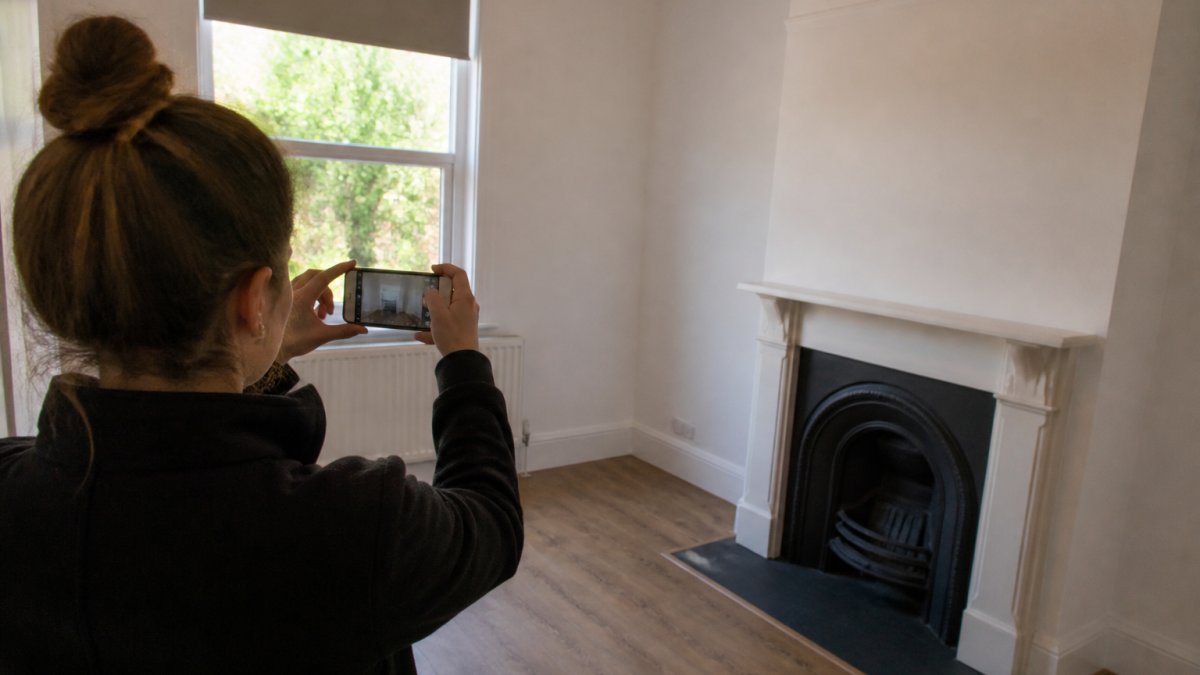
Take photographs and videos of every room on your first day. Document the condition of walls, carpets, appliances, and fixtures. Make notes of any existing damage, stains, or wear. This becomes your baseline.
Throughout your tenancy, keep records of:
- Move-in photos and condition report
- Proof of cleaning (receipts or photos of a clean property)
- Maintenance requests you've submitted
- Responses from your landlord or agent
- Proof of rent payments
- Communications about repairs
When you leave, take move-out photos under good lighting. Photograph every room from multiple angles. Show clean surfaces, closed windows, and tidy spaces. If you've arranged professional cleaning, keep the receipt.
Create a simple spreadsheet listing each room and its condition. Note any minor marks or wear that are normal. This document becomes evidence that you've left the property in good condition.
The landlord or agent will do their own inspection. Ask for a copy of their condition report. Compare it to your records. If they claim damage you didn't cause, your photos prove otherwise.
Many tenants skip this step and regret it later. Your documentation is your strongest defence against unfair deductions.
Common Reasons Deposits Are Withheld and How to Challenge Them
Landlords cite specific reasons when they deduct from deposits. Understanding these reasons helps you challenge unfair claims.
Normal wear and tear is not a valid reason. Faded paint, worn carpet, small nail holes, and minor scuffs are expected after months of living in a property. These cannot be deducted.
Cleaning costs are often disputed. If your tenancy agreement doesn't specify that you must leave the property professionally cleaned, the landlord cannot charge you for cleaning. Even if it does, they can only deduct the actual cost, not inflated cleaning bills.
Damage beyond normal wear is valid. Large holes in walls, broken windows, damaged flooring, or broken appliances are legitimate deductions. However, the landlord must provide evidence: photos, repair quotes, or invoices.
Unpaid rent or council tax is valid. If you owe money, the landlord can deduct it from your deposit.
Broken fixtures or missing items are valid. If you've removed items that came with the property or broken something that wasn't damaged before, expect a deduction.
The problem arises when landlords blur these lines. They claim normal wear is damage. They charge inflated cleaning fees. They deduct for repairs that should be their responsibility.
This is where your evidence matters. Your move-in photos prove the property's condition. Your move-out photos show you've left it clean. Your records show what damage existed before you arrived.
How to Write a Tenancy Deposit Dispute Letter: Template and Examples
If your landlord or letting agent deducts money unfairly, you can challenge it. A formal dispute letter is your first step.
Your letter should be clear, factual, and professional. It should reference the specific deductions you dispute and explain why they're unfair.
Here's a template you can adapt:
[Your Name]
[Your Address]
[Date]
[Landlord/Agent Name]
[Their Address]
Re: Dispute of Tenancy Deposit Deductions for [Property Address]
Dear [Landlord/Agent Name],
I am writing to formally dispute the deductions made from my tenancy deposit held under [Tenancy Deposit Scheme Name].
My deposit amount was £[amount]. You have deducted £[deduction amount] for the following reasons:
[List each deduction claimed by the landlord]
I dispute these deductions for the following reasons:
[Explain why each deduction is unfair, e.g., "The damage claimed was present before I moved in, as shown in the attached move-in photographs" or "Cleaning costs are not permitted under my tenancy agreement"]
I have attached evidence supporting my position:
- Move-in condition report and photographs
- Move-out photographs
- [Any other relevant documents]
I request that you return the full disputed amount within 14 days. If you do not, I will escalate this to the scheme administrator and pursue the matter through dispute resolution.
Yours sincerely,
[Your Signature]
[Your Printed Name]
Keep your tone professional and factual. Avoid emotional language. Stick to what the evidence shows.
Send your letter by recorded delivery or email with read receipt. Keep a copy for your records.
Tenancy Deposit Return Time: What the Law Requires
Your landlord has a legal deadline to return your deposit. Missing this deadline is a breach of your rights.
Deposits must be returned within 30 days of the tenancy ending. This is the standard requirement across all approved schemes.
However, if you dispute the deductions, the timeline changes. Your landlord can hold the disputed amount while the disagreement is resolved. But they must still process undisputed amounts within 30 days.
If your landlord misses the 30-day deadline without a valid reason, they're in breach of the law. You can take action through the scheme or pursue compensation.
Some tenants wait weeks or months for their deposit. This delay is often illegal. Know your rights and chase your landlord if they're slow.
The 30-day clock starts from the date your tenancy officially ends, not when you physically leave the property. Check your tenancy agreement for the exact end date.
Using Your Tenancy Deposit Protection Scheme to Resolve Disputes
Every deposit in the UK must be held in an approved scheme. These schemes exist to protect you. Use them if your landlord refuses to return your deposit or deducts unfairly.
Your deposit is held in one of three schemes:
- Deposit Protection Service (DPS)
- MyDeposits
- TDS (Tenancy Deposit Scheme)
When you move out, contact your scheme directly. They can confirm how much is held and under what terms. They can also help resolve disputes.
If your landlord refuses to release your deposit, the scheme offers a free dispute resolution service. You submit your evidence. The landlord submits theirs. An independent adjudicator reviews both sides and makes a decision.
This process is free and takes weeks rather than months. It's faster and cheaper than court action.
To use the scheme, you'll need:
- Your tenancy agreement
- Proof of the deposit amount
- Move-in and move-out photographs
- Any correspondence with your landlord
- Evidence of the deductions claimed
The scheme's website has a dispute portal. You upload your evidence there. The landlord gets a chance to respond. The adjudicator then decides.
Most disputes are resolved in your favour if you have strong evidence. The adjudicator knows the law and recognises unfair deductions.
What to Do If Your Landlord Refuses to Return Your Deposit
If your landlord ignores your requests and refuses to return your deposit, escalate the matter.
First, contact the scheme administrator directly. Explain that your landlord is not returning your deposit. Provide your scheme reference number and tenancy details. The scheme can pressure the landlord to comply.
If the scheme's intervention doesn't work, file a formal dispute through the scheme's resolution service. This triggers an independent review. Most landlords comply once they realise a formal process is underway.
If your landlord still refuses after the adjudicator's decision, you can pursue them through the courts. You can claim:
- The full deposit amount
- Up to three times the deposit amount as compensation for breaching the scheme rules
- Court costs
This legal route is serious. Most landlords comply well before reaching this point.
Document everything. Keep emails, letters, and timestamps. This evidence is crucial if you go to court.
Many landlords withhold deposits because they assume tenants won't challenge them. Don't be that tenant. Challenge unfair deductions immediately.
At Lord Panda Property, we handle deposit management professionally. We manage the full cycle, from initial collection through final return, so disputes are minimised and resolved quickly when they do arise.
Getting your rental deposit back is your legal right. Know your rights, gather evidence, and act quickly if deductions seem unfair. Your tenancy deposit scheme exists to protect you. Use it.
If you're a landlord managing multiple properties and want to avoid deposit disputes entirely, professional management takes this burden off your shoulders. Deposit protection guidance from the UK government outlines your obligations. Citizens Advice on tenancy deposits provides free guidance for tenants and landlords alike. The Deposit Protection Service dispute resolution process shows how independent adjudication works in practice.
Book a consultation with Lord Panda Property to discuss how professional property management can eliminate deposit disputes and simplify your tenant lifecycle.
Frequently Asked Questions
How long does a landlord have to return a tenancy deposit?
Your landlord must return your tenancy deposit within 30 days of the tenancy ending, provided they have no legitimate deductions to make. If deductions are claimed, they must provide an itemised breakdown and evidence within this timeframe. Failure to return the deposit or provide documentation within 30 days is a breach of the tenancy deposit protection regulations.
What can a landlord legally deduct from my tenancy deposit?
Landlords can only deduct for genuine losses, including unpaid rent, damage beyond normal wear and tear, missing items, and cleaning costs if the property is left in an unreasonable state. They cannot deduct for minor scuffs, faded paint, or normal deterioration. Any deductions must be reasonable, proportionate, and supported by evidence such as repair quotes or photographs.
How do I dispute a tenancy deposit deduction?
First, request an itemised breakdown from your landlord if you haven't received one. If you disagree with the deductions, write a formal dispute letter explaining why each deduction is unjustified and provide supporting evidence such as photos or repair quotes. If your landlord doesn't respond or refuses to negotiate, use your deposit protection scheme's dispute resolution service, which is free and independent.
What should I do if my landlord won't return my deposit?
Contact your deposit protection scheme immediately to initiate a formal dispute. If the scheme finds in your favour, they can order your landlord to return the money. If your landlord still refuses, you can take legal action through the county court. In cases of serious breaches, you may be entitled to compensation of up to three times the deposit amount under the Housing Act 2004.