
Table of Contents
- Quick Comparison: HMO Management Software at a Glance
- What to Look For in HMO Management Software
- Lord Panda Property: Full-Service HMO Management Without the Software
- Landlord Vision: Best for Tax and Financial Reporting
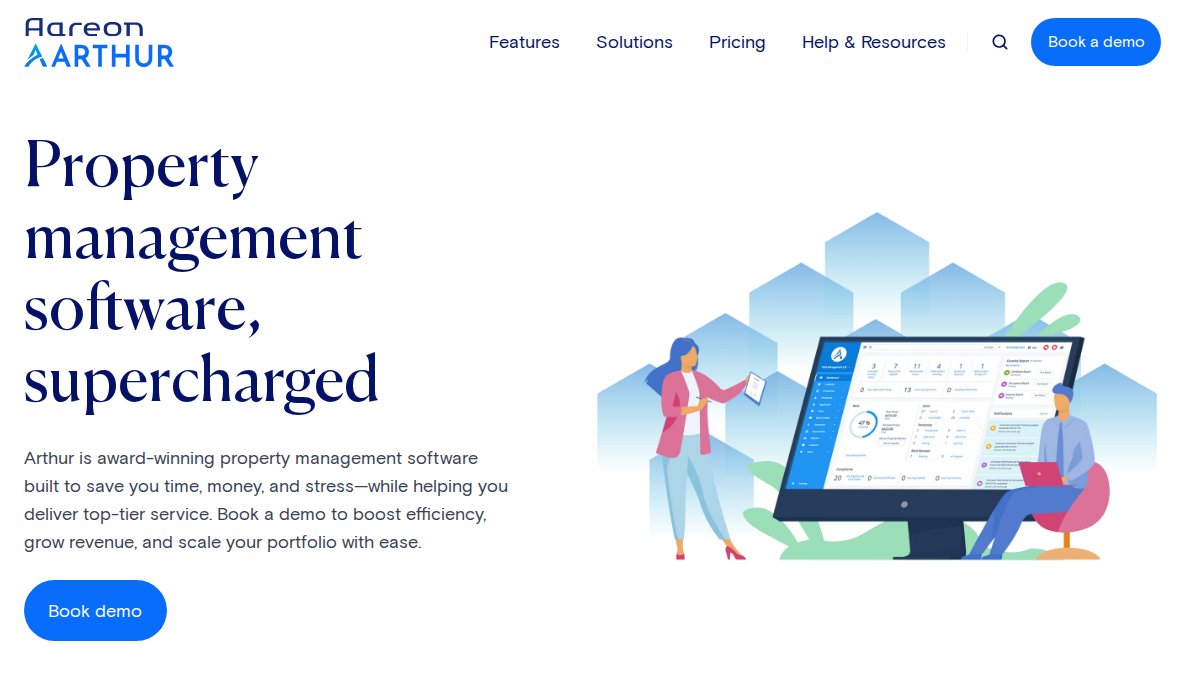
- Arthur Online: Best for Contractor Coordination
- Hammock: Best for Financial Clarity and Tax Preparation
- Rentila: Best Free Option for Small Portfolios
- Property Hawk: Best for Straightforward Compliance Tracking
- Frequently Asked Questions
Last Updated: September 14, 2026
Quick Comparison: HMO Management Software at a Glance
Choosing hmo management software is less about finding the longest feature list and more about matching the tool to how you actually run your portfolio. Most HMO landlords in the South and South West juggle room-level rent collection, licensing renewals, and a rotating cast of contractors, often across several towns. This guide from Lord Panda Property compares seven options on the criteria that matter: compliance tracking, rent automation, maintenance oversight, and how well each copes with shared-house dynamics.

| Software | Best For | Free Tier | Pricing Model |
|---|---|---|---|
| Lord Panda Property | Hands-off guaranteed rent | No | Long-term lease |
| Landlord Vision | Tax and financial reporting | No | Subscription |
| Arthur Online | Contractor coordination | No | Subscription |
| Hammock | Financial clarity | No | Subscription |
| Rentila | Small portfolios | Yes | Tiered |
| Property Hawk | Compliance tracking | No | Subscription |
What to Look For in HMO Management Software
The right hmo management software handles three jobs at once: room-by-room rent tracking, an HMO compliance checklist that flags gas and electrical safety dates before they lapse, and maintenance logging that survives a change of tenant (Gas safety - landlords and letting agents). Anything less and you are paying for a spreadsheet with better branding.
A common mistake is buying on headline features rather than fit. A landlord with three rooms does not need enterprise accounting. A landlord with thirty across multiple towns cannot run on a free tier.
Lord Panda Property: Full-Service HMO Management Without the Software
Lord Panda Property takes a different route entirely: instead of software you operate yourself, the team leases your property on a long-term contract and manages everything. You receive a fixed monthly income with zero voids, while Lord Panda Property handles tenant management, maintenance, and compliance.
For landlords who are semi-retired or simply tired of late-night tenant calls, this removes the operational burden rather than digitising it. Fixed income is modelled over 3-5 year terms, and HMO licensing and legislative updates sit with the management team. Pricing depends on the property and terms, so it is worth requesting a quote directly.
Landlord Vision: Best for Tax and Financial Reporting
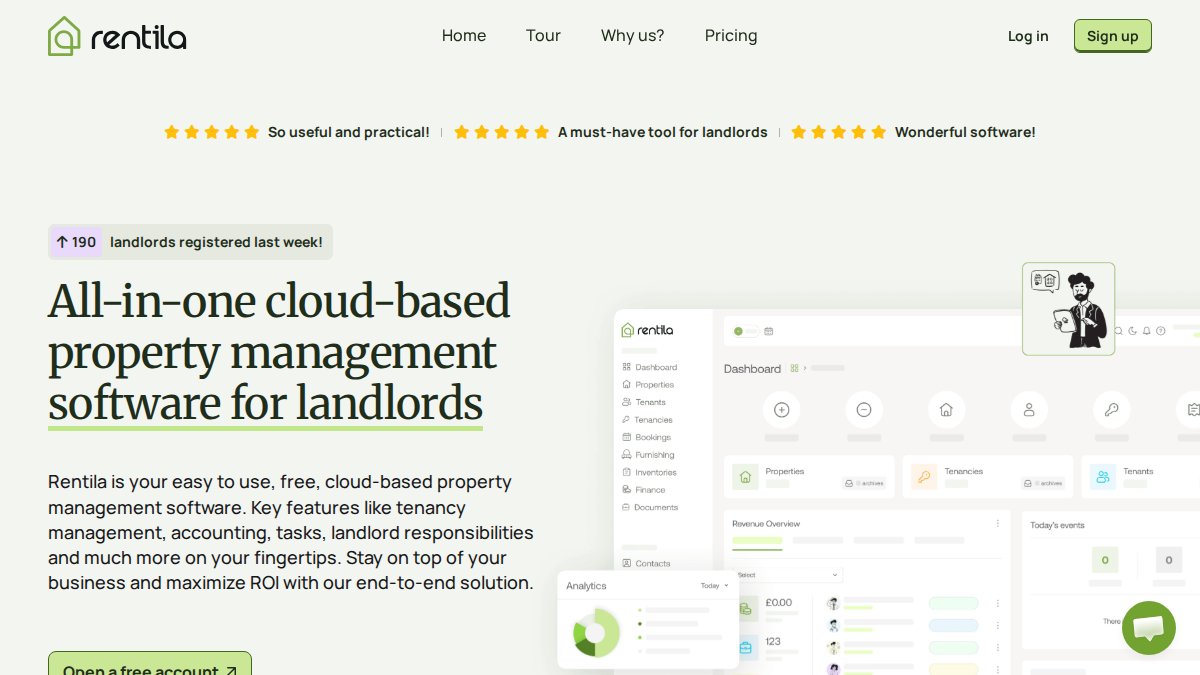
Landlord Vision suits landlords who treat their portfolio like a business and want the numbers to prove it. Automated tax reporting aligned with HMRC requirements, document storage for safety certificates, and a tenant portal for rent collection cover the essentials well (Making Tax Digital for Income Tax for sole traders and landlords: step by step).
The trade-off is a steeper learning curve. Budget a weekend to get it configured properly.
Arthur Online: Best for Contractor Coordination
Arthur Online connects landlords, tenants, and contractors in one system, with work order tracking and mobile inspections. If your HMO property maintenance tracking currently lives in a WhatsApp thread, this is the upgrade.
It scales well for growing portfolios, though smaller landlords may find the cost hard to justify.
Hammock: Best for Financial Clarity and Tax Preparation
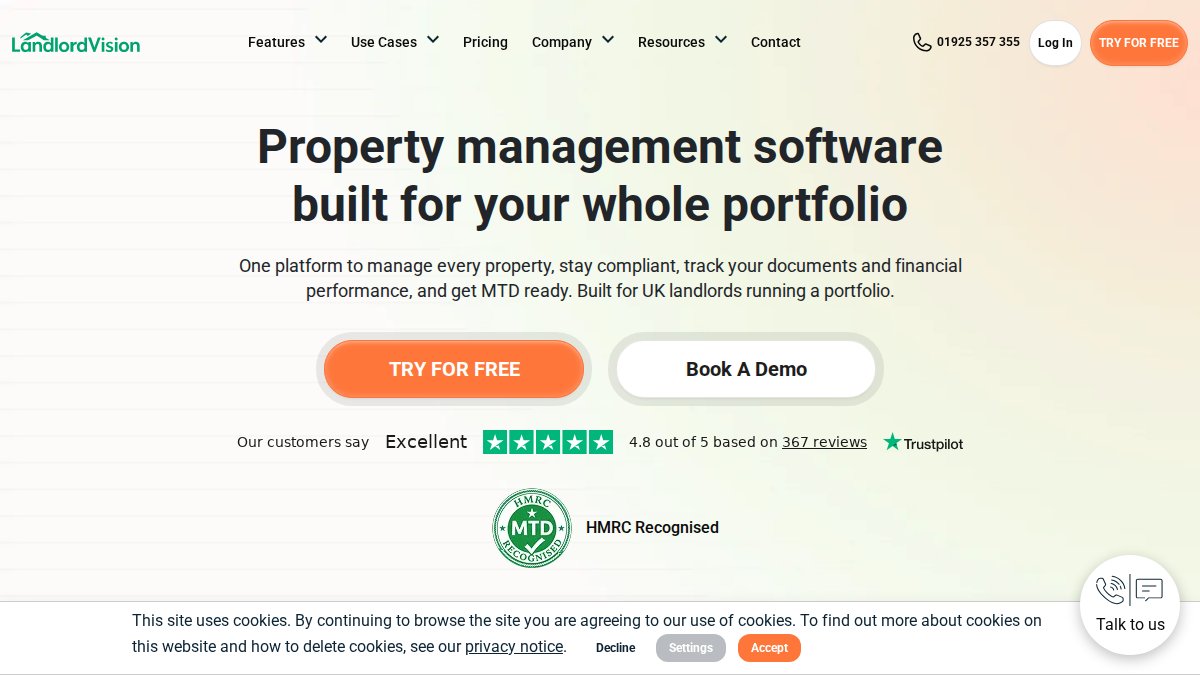
Hammock focuses squarely on money. Bank feed integration, real-time profit and loss per property, and self-assessment tax statements make it genuinely useful at year end. Automated rent collection for HMOs is handled through rent chasing and reconciliation.
Where it falls short is maintenance management, which is basic compared to Arthur Online.
Rentila: Best Free Option for Small Portfolios
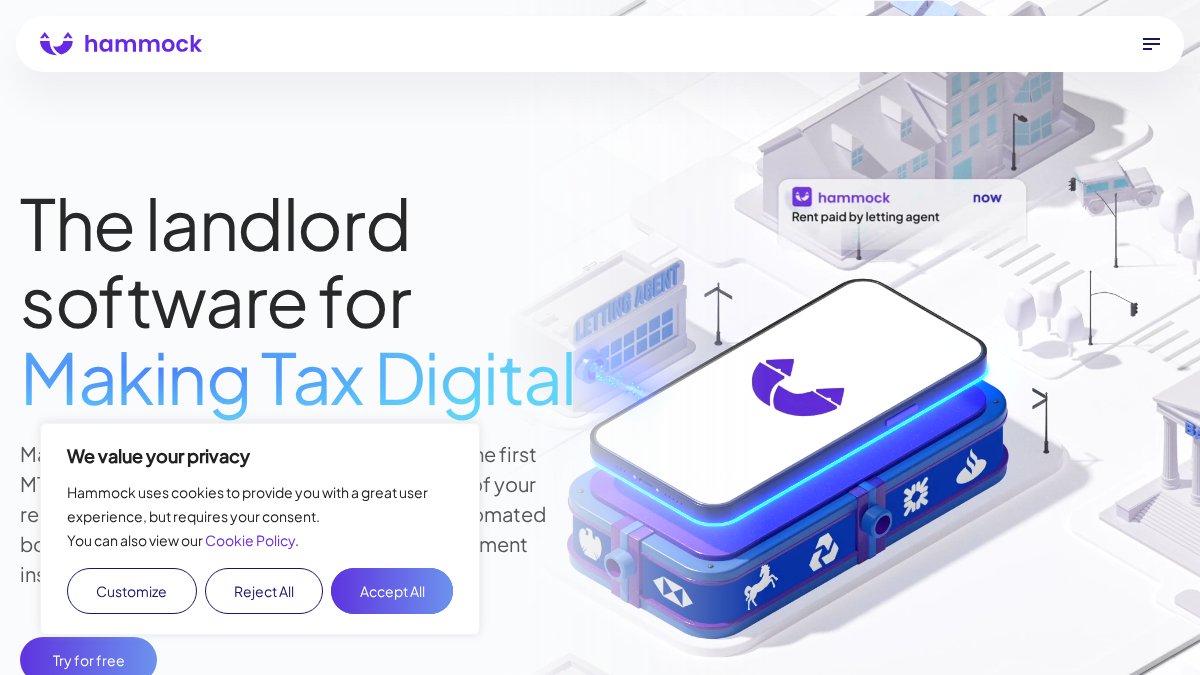
Rentila offers a free tier that covers online tenancy agreements, inventory reports, and rent tracking. For a landlord with a handful of rooms, that is often enough.
The limitation is automation. Expect manual work where paid tools would trigger actions automatically.
Property Hawk: Best for Straightforward Compliance Tracking
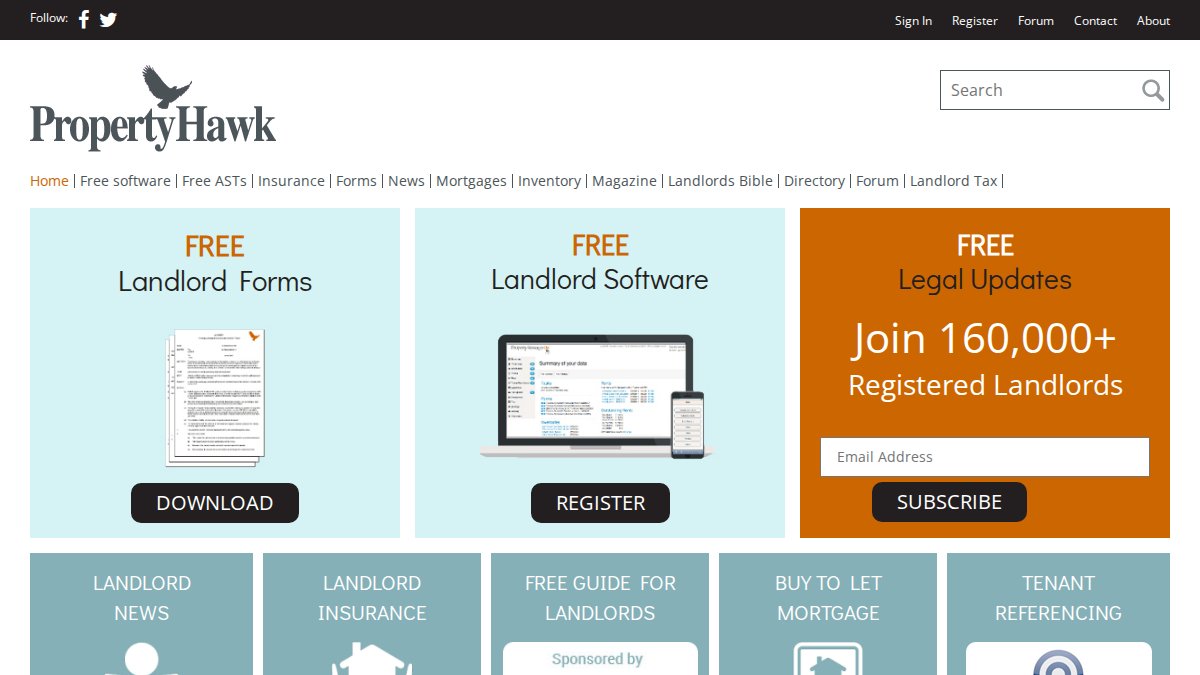
Property Hawk keeps compliance front and centre, tracking gas and electrical safety certificates alongside income and expenditure reporting (Electrical safety standards in the private and social rented sectors: guidance). It is reliable and UK-focused.
The interface feels dated next to newer platforms, but for landlords who want compliance and basic accounting without extras, that rarely matters.
Frequently Asked Questions
What features should I look for in HMO management software?
Prioritise room-level tenancy management, since HMOs require tracking individual room contracts rather than a single household lease. Look for automated rent collection, compliance tracking for gas and electrical certificates, and maintenance logging. If you manage multiple properties, portfolio reporting matters. For HMO landlords, dedicated tools can handle room-by-room occupancy and utility splitting, while broader platforms can cover contractor coordination across larger portfolios.
Is property management software worth the cost for small HMO portfolios?
It depends on how much time you spend on admin. If you manage one or two HMOs and handle rent collection manually, a free tool like Rentila may be enough. Once you have three or more properties, the time saved on chasing rent, tracking certificates, and logging maintenance usually justifies a paid subscription. Software cannot replace hands-on management, but it reduces the risk of missed compliance deadlines, which carry significant penalties.
How does HMO software help with compliance and licensing?
Most HMO management software includes document storage for gas safety certificates, electrical installation condition reports, and energy performance certificates. Some platforms, like Property Hawk, send reminders before certificates expire. This matters because councils can issue fines for missing or expired documentation. A good HMO compliance checklist built into your software ensures you never miss a renewal date across multiple properties.
Can HMO management software handle individual room tenancies?
Yes, but not all platforms do it well. General landlord software often assumes one tenancy per property. HMO-specific tools are built for room-level management, tracking occupancy per room and splitting utility bills automatically. Some platforms can handle individual room tenancies with some configuration. If room-level control is your priority, check that the software supports separate lease agreements and rent schedules per room before committing.
Does HMO software integrate with accounting platforms like Xero?
Several platforms do. Arthur Online integrates with both Xero and QuickBooks, which simplifies bookkeeping if you already use those tools. Hammock focuses on financial tracking with bank feed integration and generates tax statements for self-assessment. Landlord Vision includes HMRC-compliant tax reporting directly. If accounting integration is essential, confirm the specific platforms your software supports before subscribing.
Managing an HMO portfolio means choosing between running software yourself and handing the operation to someone else. If you would rather keep the income predictable and the compliance handled, Lord Panda Property offers guaranteed monthly rent, full tenant and maintenance management, and expert handling of HMO licensing. Book a consultation with Lord Panda Property to see how a long-term lease could work for your properties.