Table of Contents
- What You'll Need Before You Start
- Step 1: Get Your HMO Compliance Regulations in Order
- Step 2: Use HMO Management Software to Cut Admin Time
- Step 3: Follow a Practical HMO Property Maintenance Checklist
- Step 4: Master Managing Multiple HMO Properties Remotely
- Step 5: Handle Tenant Turnover and Anti-Social Behaviour
- Common Mistakes When You Manage HMO Properties
- Conclusion: When to Bring In Professional Help
- Frequently Asked Questions
Last Updated: September 23, 2026
What You'll Need Before You Start
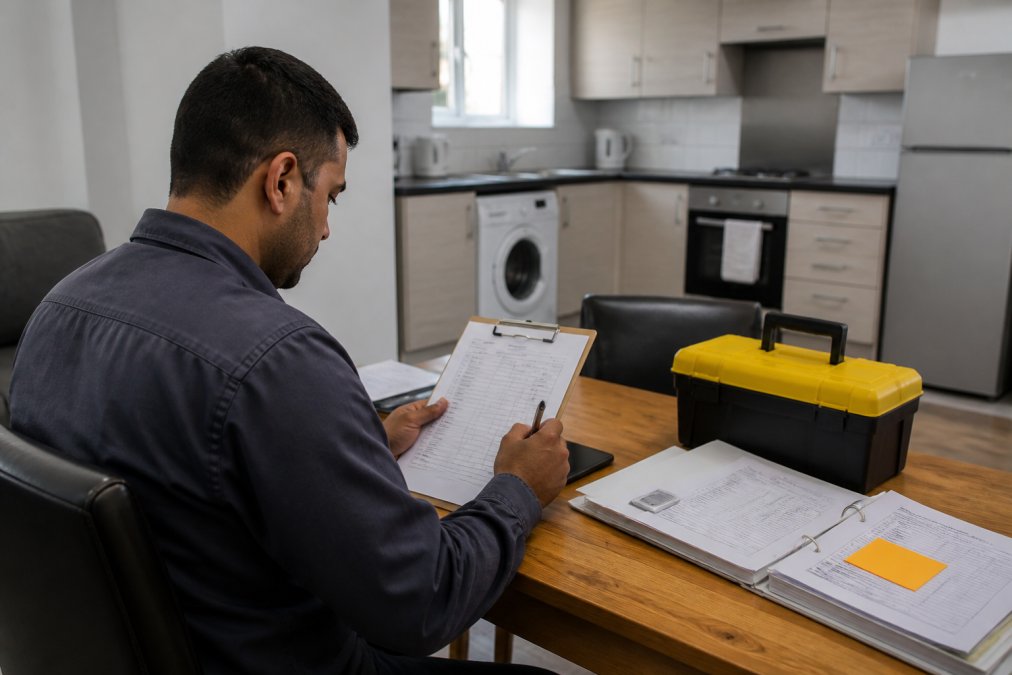
Managing an HMO is a business, not a side project, and the landlords who struggle most are usually the ones who started without the right foundations in place. Learning how to manage HMO properties effectively begins long before the first tenant moves in. This guide from Lord Panda Property covers the five operational pillars that separate a well-run house in multiple occupation from one that drains your time and your returns.
Before you take on a single tenant, you need four things:
- A current HMO licence from your local authority if your property meets the mandatory licensing threshold, or a valid exemption
- A compliance file covering gas safety, electrical safety, fire safety, and energy performance
- A maintenance schedule with named contractors on standby
- A rent collection and record-keeping system, whether that is software or an accountant
The UK government guidance on houses in multiple occupation sets out the licensing framework that applies to most shared properties. Miss any of these foundations and every later step becomes damage control.
Step 1: Get Your HMO Compliance Regulations in Order
HMO compliance regulations are the non-negotiable core of managing any shared property. Get them wrong and you face unlimited fines, rent repayment orders, or a ban from letting.
The essentials most landlords need to track:
- Gas Safety Certificate renewed every 12 months by a Gas Safe registered engineer
- Electrical Installation Condition Report (EICR) every five years, with remedial work completed within 28 days
- Fire risk assessment reviewed annually, with working alarms, fire doors, and clear escape routes
- Energy Performance Certificate at a minimum rating of E, or higher if your council requires it
- Portable appliance testing for any appliances you supply
- Smoke and carbon monoxide alarms tested at the start of every tenancy
The Electrical Safety Standards in the Private Rented Sector regulations make the EICR a legal requirement, not a recommendation. Diarise every renewal date in a single calendar. Missing one certificate is the fastest route to a council inspection you cannot afford.
Step 2: Use HMO Management Software to Cut Admin Time
HMO management software replaces the spreadsheet-and-sticky-note approach that most small landlords start with. The right platform handles rent tracking, maintenance tickets, compliance reminders, and tenant communication in one place.
What to look for:
- Automatic rent reminders and arrears alerts
- Compliance certificate storage with expiry notifications
- A tenant portal for reporting repairs
- Room-by-room accounting for tax purposes
A common mistake is buying software designed for single-let landlords and trying to force it to handle shared occupancy. HMO-specific tools understand room-level tenancies, joint-and-several liability, and the licensing nuances that generic platforms ignore. If you manage more than two properties, the admin savings alone usually justify the subscription.
Step 3: Follow a Practical HMO Property Maintenance Checklist
An HMO property maintenance checklist turns reactive repairs into a scheduled routine. Properties with a written checklist consistently cost less to run because problems get caught before they become emergencies.
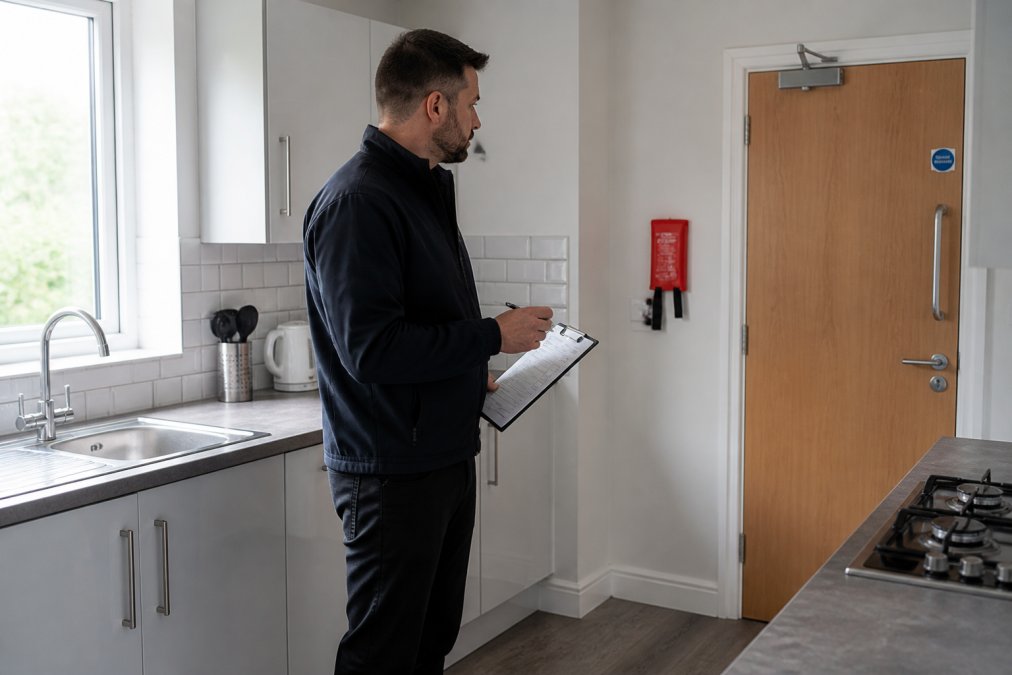
Your checklist should cover:
- Weekly: communal area cleaning, bin rotation, garden upkeep
- Monthly: alarm testing, boiler visual check, leak inspection under sinks
- Quarterly: gutter clearing, exterior paintwork review, deep clean of shared bathrooms
- Annually: gas safety, EICR where due, fire risk assessment review, boiler service
Assign each task to a named person and log completion dates. The Health and Safety Executive guidance on landlord duties is clear that you remain responsible for safety even when you delegate maintenance to a contractor.
Step 4: Master Managing Multiple HMO Properties Remotely
Managing multiple HMO properties remotely is entirely achievable with the right systems, and it is how most portfolio landlords now operate. Distance only becomes a problem when your processes depend on you being physically present.
Three things make remote management work:
- Local contractors on retainer for plumbing, electrical, and general repairs, with agreed response times
- Smart locks and monitoring so you can grant access without travelling
- A single point of contact for tenants, so issues route to the right person immediately
The challenge with remote management is the same one that catches every growing portfolio: you eventually become the bottleneck. Every decision still needs you, and the portfolio stops scaling. This is the point where many landlords look at handing operational control to a specialist.
Step 5: Handle Tenant Turnover and Anti-Social Behaviour
Tenant turnover and anti-social behaviour are the two issues that erode HMO returns faster than anything else. A void room costs you rent, but a problem tenant can cost you the entire house.
Reduce turnover by:
- Running proper referencing and right-to-rent checks before every tenancy
- Setting clear house rules in writing and having every tenant sign them
- Responding to minor complaints quickly, before they escalate
For anti-social behaviour, keep a dated log of every incident with times, witnesses, and what you did. The government guidance on anti-social behaviour powers explains the tools available to landlords and councils. In serious cases you may need to serve notice, so your paperwork has to be watertight from day one.
Common Mistakes When You Manage HMO Properties
The mistakes below account for most of the stress HMO landlords report, and every one of them is avoidable with a proper system in place.
| Mistake | Why it happens | The fix |
|---|---|---|
| Missing a certificate renewal | No central diary | Software with expiry alerts |
| Using generic letting software | Bought before understanding HMO needs | Choose HMO-specific tools |
| No written maintenance schedule | Reactive approach | Build a monthly checklist |
| Handling every issue personally | No delegation structure | Appoint a single contact point |
| Ignoring early tenant complaints | Assumed to be minor | Log and act within 48 hours |
The pattern is consistent: landlords who manage HMO properties reactively spend far more time and money than those who build systems first. Software, checklists, and clear tenant communication solve most of it.
Conclusion: When to Bring In Professional Help
There is a point in every HMO portfolio where the operational load stops being worth the return on your time. That point arrives at different sizes for different landlords, but the symptoms are always the same: late-night tenant calls, compliance dates you nearly miss, and maintenance decisions you are making from memory.
Lord Panda Property exists for exactly that moment. We lease your property on a long-term contract and take full responsibility for tenant management, maintenance, and compliance, so you receive a guaranteed monthly rent with zero voids. Our team handles HMO licensing and legislative updates on your behalf, and we manage your asset like a wealth portfolio, protecting its value while you step back from the daily burden.
If running your HMOs has started to feel like a second job, book a consultation with Lord Panda Property and find out what predictable, hands-off income actually looks like.
Frequently Asked Questions
What are the legal responsibilities of an HMO landlord?
HMO landlords must comply with HMO compliance regulations set by local councils, including mandatory licensing for larger properties. Key duties include annual gas safety checks by a Gas Safe registered engineer, five-yearly electrical safety reports (EICR), fire safety measures such as alarms and fire doors, and ensuring the property meets the Housing Health and Safety Rating System. You must also provide a written tenancy agreement and protect deposits in a government-approved scheme.
How can I automate HMO property maintenance and inspections?
Use HMO management software to log repair requests, schedule contractor visits, and store compliance certificates with automatic renewal reminders. Set up recurring calendar tasks for monthly visual checks and quarterly deeper inspections. For remote oversight, ask tenants to submit photos via an app. This reduces travel and keeps a clear audit trail. A written HMO property maintenance checklist ensures nothing is missed, from boiler servicing to gutter clearing.
What is the most effective way to manage tenant turnover in an HMO?
Reduce turnover by responding to repair requests within 24 hours, keeping communal areas clean, and setting clear house rules from day one. When a room does become vacant, have a ready-to-go marketing listing and a waiting list. Consider using a professional HMO management service that guarantees rent, as this removes void periods entirely. Regular check-ins with tenants also help spot issues before they lead to a notice to quit.
How do I handle anti-social behaviour in an HMO?
Address anti-social behaviour quickly with a written warning and a record of incidents. Speak to the tenant directly if safe, then escalate to a formal written warning citing the tenancy agreement. If behaviour continues, you may need to involve the council's anti-social behaviour team or seek possession. Keeping a detailed log of dates, times, and complaints is essential. For portfolio landlords, a managing agent can handle these conversations and reduce your stress.