
Last Updated: 1 November 2026
Quick Summary
Moving to Plymouth is a smart move when you know what to expect before signing. Rents vary by property type, size and location, so compare current listings for the home you want and budget for bills and deposits, not just rent.
- Compare several current listings over a couple of weeks before deciding what is realistic.
- Have proof of identity, right to rent, references and proof of income ready before viewing.
- Use a viewing checklist covering damp, heating, hot water and kitchen and bathroom condition.
- Check the council tax band for any property you view before you sign.
- A single-person household is entitled to a 25% council tax discount, so always apply for it.
Table of Contents
- Average Rent in Plymouth: What New Renters Should Expect
- Plymouth Neighbourhoods for Renters: Where to Look
- Types of Homes and Flats Available to Rent
- Documents Needed to Rent a Home in England
- Plymouth Rental Property Viewing Checklist
- Moving House Checklist for Renters: From Booking to Moving Day
- Bills, Council Tax and Total Cost of Living in Plymouth
- Booking a Consultation With Lord Panda Property
- Frequently Asked Questions
Moving to Plymouth can be a smart move, but it helps to know what you are walking into before you sign anything. At Lord Panda Property, we manage HMO properties across the South and South West of England for landlords. Below, we cover average rents, the neighbourhoods worth viewing, the types of homes on offer, the paperwork you will need, a viewing checklist, a moving timeline, and the bills you should budget for.
Average Rent in Plymouth: What New Renters Should Expect
Rents in Plymouth vary widely by property type, size and location, so the most useful step is to research current listings for the exact type of home you want. Many renters find it helpful to compare several listings over a couple of weeks before deciding what is realistic. Set a monthly budget that leaves room for bills and deposits, not just rent, because the rent figure alone rarely tells the full story.
Plymouth Neighbourhoods for Renters: Where to Look
Plymouth's rental market spans distinct neighbourhoods, each with its own mix of housing, transport and amenities. Rather than relying on vague impressions, use the following area-by-area comparison to match your budget and lifestyle. Note that advertised rents fluctuate, so always check current listings for the most accurate figures.
City Centre and Barbican - Ideal for renters who want to be within walking distance of shops, restaurants and the waterfront. Flats dominate the market here, often above commercial premises. Expect higher rents for the convenience, and be prepared for noise at weekends. Transport links are excellent, with Plymouth railway station offering direct services to Exeter, Bristol and London.
Mutley Plain and Greenbank - Popular with students and young professionals due to proximity to the university and a lively high street. Terraced houses and converted flats are common, often with shared amenities. Rents are generally lower than the city centre, but competition for viewings can be fierce. Check for permit parking if you have a car.
Stoke and Devonport - These areas offer more space for your money, with a mix of terraced houses and newer developments. Devonport is undergoing regeneration, so some streets may feel transitional. Good bus links to the centre and the dockyard. Suitable for renters who prioritise square footage over central location.
Peverell and Mannamead - Quieter residential neighbourhoods with family-sized houses and good schools nearby. Rents are mid-to-high for the city, but you gain gardens and off-street parking. Popular with families and professionals. Commute times to the centre are short by car or bus.
Efford and Lipson - More affordable options, often with older terraced housing. Good access to local amenities and green spaces such as Central Park. Transport is bus-dependent, so check timetables if you work shifts. A practical choice for renters on a tighter budget.
Plymstock and Plympton - Suburban areas to the east, offering larger homes and a slower pace. Rents can be comparable to the city but you get more space. Commuting by car is common; bus services are frequent but journey times are longer. Ideal if you need a garden or a quieter environment.
When comparing areas, visit at different times of day and check the specific street rather than the postcode. Ask letting agents about local parking permits, bin collection days and any planned roadworks. For a personalised shortlist, speak to a local letting agent who knows the stock.
Types of Homes and Flats Available to Rent
Renters in Plymouth typically choose between flats, terraced houses and larger shared properties. Flats often suit single renters or couples who want fewer maintenance concerns, while houses can offer more space and, in some cases, a garden. Furnished and unfurnished options are both common, and it is worth weighing up what you would need to buy yourself before choosing. Compare the pros and cons of furnished and unfurnished rentals to help you decide.
Documents Needed to Rent a Home in England
Landlords and letting agents usually ask for proof of identity, proof of your right to rent in the UK, references from a previous landlord or employer, and proof of income. Have these ready before you start viewing, as it can speed up the application if a property comes up quickly. Check the tenancy agreement carefully, and ask for clarification on anything you do not understand before signing.
Plymouth Rental Property Viewing Checklist
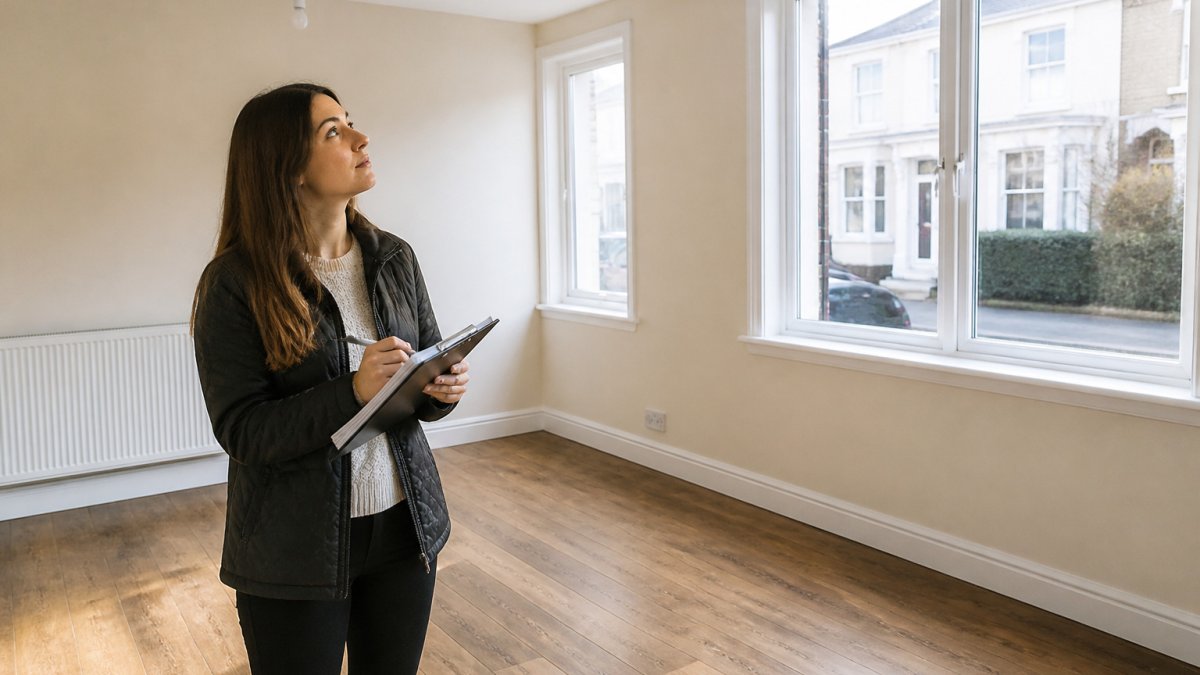
Use a checklist at every viewing so you compare properties on the same basis. Our checklist for viewing student houses in Plymouth covers the shared-property points to check. Check the condition of the windows, damp and mould, the heating system and hot water, and the state of the kitchen and bathroom. Ask who is responsible for repairs and how quickly they are usually completed, and note any signs of noise from neighbouring properties.
Moving House Checklist for Renters: From Booking to Moving Day
Start by booking removals and confirming your start date with the landlord as early as you can. Step-by-step guidance on getting your rental deposit back explains what to document before you leave. Arrange the utility connections and internet a week or two before you move in, and update your address with your bank and employer. On moving day, take dated photos of the property's condition and report any issues to the landlord in writing.
Bills, Council Tax and Total Cost of Living in Plymouth
Rent is only part of your monthly outgoings. To avoid surprises, build a realistic budget that includes council tax, utilities, broadband and other essentials. Your actual costs will depend on the property's energy efficiency, your usage and the supplier.
Council tax - Plymouth properties fall into bands A to H. A one-bedroom flat is often band A or B. Check the band for any property you view on the Valuation Office Agency website or ask the letting agent. If you live alone, you are entitled to a 25% single-person discount - always apply for it.
Energy and water - Gas and electricity costs vary widely with the property and usage. Ask the landlord for the property's Energy Performance Certificate (EPC) rating; a higher rating usually means lower bills.
Broadband and TV licence - A TV licence is required if you watch live TV or use BBC iPlayer; check the current fee with TV Licensing.
Contents insurance - Not usually required by landlords, but strongly advised.
Other costs - If the property is furnished, check what is included. Unfurnished flats may require you to buy white goods, which can be a significant upfront cost. Parking permits, if needed, are available from the council for a fee.
Always confirm the council tax band and ask for recent utility bills before signing a tenancy.
Booking a Consultation With Lord Panda Property
If you are a landlord in the South or South West and want a hassle-free way to manage your property, you can book a consultation with Lord Panda Property to discuss a long-term arrangement.
Frequently Asked Questions
Is Plymouth a good place to live for renters?
Plymouth suits renters who want coastal access, a university city atmosphere and a more affordable rental market than many larger English cities. Neighbourhoods vary considerably in character, price and transport links, so it helps to visit before committing. Compare areas against your commute, budget and lifestyle, and check the local amenities that matter most to you before signing a tenancy agreement.
What documents do I need to rent a home in England?
Most landlords and letting agents ask for proof of identity, proof of right to rent, references from a previous landlord or employer, and proof of income. Guarantors may be requested if you cannot meet affordability checks alone. Having these documents ready before viewing properties speeds up the application process and improves your chances when several applicants are competing for the same home.
What should I check when viewing a rental property?
Check the water pressure, heating, damp, mould and the condition of windows and doors. Ask about the Energy Performance Certificate, check mobile phone signal and broadband speed, and test the locks and security. Note the distance to transport links and local amenities. Ask the landlord or agent about the notice period, deposit protection scheme and what is included in the tenancy agreement.
How do I avoid rental scams when searching for a home?
Never pay a deposit or holding fee before viewing the property in person and confirming the landlord or agent's identity. Be wary of listings priced well below the local average or of anyone asking you to pay by bank transfer to an unfamiliar account. Check that the agent is a member of a recognised redress scheme, and ask to see the tenancy agreement before handing over any money.
How do I set up utilities and council tax after moving?
Contact the council to register for council tax as soon as you move in, and check whether you qualify for a discount, such as a single-person discount. Arrange energy, water and broadband accounts before moving day, and take meter readings on arrival. Keep a note of the supplier details and contact numbers so you can resolve any billing issues quickly.
What should I do on moving day when renting a new home?
Take dated photographs of every room, and compare them against the inventory that came with the tenancy agreement. Record meter readings, test the appliances and report any faults to the landlord or agent in writing within the timescale set out in your agreement. Keep copies of all paperwork together in one place.
